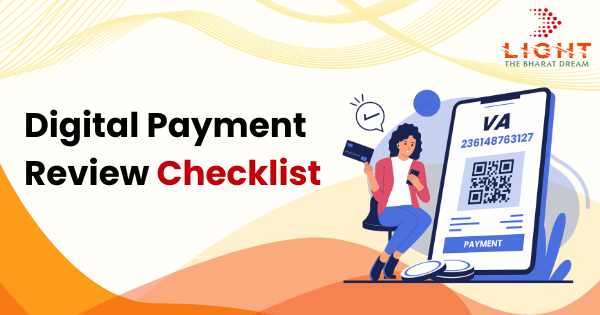
Digital Payment Review Checklist
Digital payments have changed the way people manage money. Whether you are paying utility bills, shopping online, sending money to friends, or running a business, digital payment platforms make transactions quick and convenient. With just a few taps on a smartphone or clicks on a computer, users can complete payments from almost anywhere.
However, not all digital payment services offer the same level of security, reliability, and user experience. Some platforms may have hidden fees, slow processing times, or weak security measures that can put your money and personal information at risk. This is why it is important to evaluate a payment service before relying on it for everyday transactions.
What Is a Digital Payment Review Checklist?
A digital payment review checklist is a structured guide that helps users evaluate the quality, safety, and performance of a digital payment platform. Instead of choosing a payment service based solely on popularity or advertisements, the checklist encourages users to review important features that directly affect their experience.
The checklist can be used by individuals, freelancers, small business owners, and large organizations. Anyone who regularly sends, receives, or processes digital payments can benefit from reviewing payment platforms carefully.
Why Reviewing a Digital Payment Platform Matters
1. Protecting Your Money and Personal Information
Security should always be the top priority when selecting a digital payment service. Cybercriminals constantly look for opportunities to steal personal data and financial information. Reviewing a platform’s security measures can help you determine whether your information will be adequately protected.
Users should ensure that the platform uses advanced encryption, secure login procedures, and monitoring systems that can detect suspicious activity. A secure platform reduces the likelihood of fraud and unauthorized access.
2. Avoiding Unexpected Charges and Fees
Many payment platforms advertise convenience but may include fees that are not immediately obvious. These can include transaction fees, withdrawal charges, inactivity fees, or currency conversion costs.
By reviewing fee structures beforehand, users can understand the true cost of using the service and avoid unpleasant surprises later. This is particularly important for businesses and individuals who process a large number of transactions.
3. Ensuring Fast and Reliable Transactions
One of the main reasons people use digital payments is speed. However, some platforms may experience delays, downtime, or technical issues that affect transaction processing. A review helps users assess whether payments are completed quickly and consistently. Reliable payment processing is especially important when making time-sensitive purchases or receiving customer payments.
4. Improving Your Overall Payment Experience
A payment platform should be easy to use and accessible to all users. Features such as a simple interface, responsive customer support, and clear transaction records contribute to a positive experience. Reviewing these factors helps users choose a platform that saves time and minimizes frustration during daily transactions.
Essential Security Checks Before Using a Digital Payment Service
1. Verify Encryption and Security Standards
Encryption protects data while it is transmitted between users and payment systems. A trustworthy payment provider uses advanced encryption technologies to prevent hackers from accessing sensitive information. Users should look for platforms that follow recognized security standards and regularly update their systems to address new threats.
2. Check Two-Factor Authentication Availability
Two-factor authentication adds an extra layer of protection by requiring users to verify their identity using a second method, such as a one-time code sent to their phone. This feature significantly reduces the risk of unauthorized account access, even if login credentials are compromised.
3. Review Fraud Detection Features
Modern payment systems often use automated tools to identify suspicious activity. These tools can detect unusual transactions, flag potential fraud, and notify users when security concerns arise. Platforms with strong fraud detection capabilities provide greater confidence and protection for users.
4. Understand Data Privacy Policies
Before signing up for a payment service, it is important to review how the company collects, stores, and shares user data. A transparent privacy policy helps users understand what information is being collected and how it will be used. Trustworthy providers clearly explain their data handling practices and prioritize user privacy.
User Experience Checklist for Digital Payments
1. Easy Account Registration Process
The registration process should be straightforward and easy to understand. Users should be able to create an account, verify their identity, and start using the service without unnecessary complications. A smooth onboarding experience encourages trust and reduces user frustration.
2. Simple Payment and Transfer Options
Users should be able to send money, receive payments, and make purchases quickly. The payment process should be intuitive and require minimal effort. Complicated transaction procedures can lead to errors and discourage continued use of the platform.
3. Mobile App Performance and Accessibility
Since many digital payments are made through smartphones, the mobile app should function smoothly and efficiently. It should load quickly, provide clear navigation, and support important features without technical issues. Accessibility features are also important for users with different needs and abilities.
4. Customer Support Availability
Even the best payment platforms occasionally experience issues. When problems occur, users need access to reliable customer support. A good platform offers multiple support channels, including email, live chat, phone support, and help centers. Quick response times can make a significant difference when resolving payment-related concerns.
Compliance and Regulatory Checklist
1. Licensing and Regulatory Approvals
Legitimate payment providers operate under licenses issued by financial authorities. These licenses demonstrate that the company meets regulatory requirements and follows industry guidelines. Users should verify that a platform is authorized to provide payment services in their region.
2. Compliance With Financial Regulations
Payment providers must comply with regulations designed to prevent fraud, money laundering, and financial crimes. Compliance programs help create a safer environment for users and businesses. A provider that follows regulatory standards demonstrates a commitment to responsible financial practices.
3. Consumer Protection Policies
Consumer protection measures help users recover funds and resolve disputes when problems occur. Strong protection policies indicate that a company values customer trust and accountability. Before choosing a payment platform, users should review the protections available in cases of unauthorized transactions or service failures.
Conclusion
Digital payments offer convenience, speed, and flexibility, but choosing the right payment platform requires careful evaluation. By following a digital payment review checklist, users can assess important factors such as security, transaction reliability, fees, customer support, and regulatory compliance. Taking the time to review a payment service before using it can help protect your money, improve your overall experience, and reduce the risk of fraud or unexpected costs. Whether you are an individual user or a business owner, regularly reviewing your digital payment methods is a smart step toward safer and more efficient financial transactions.