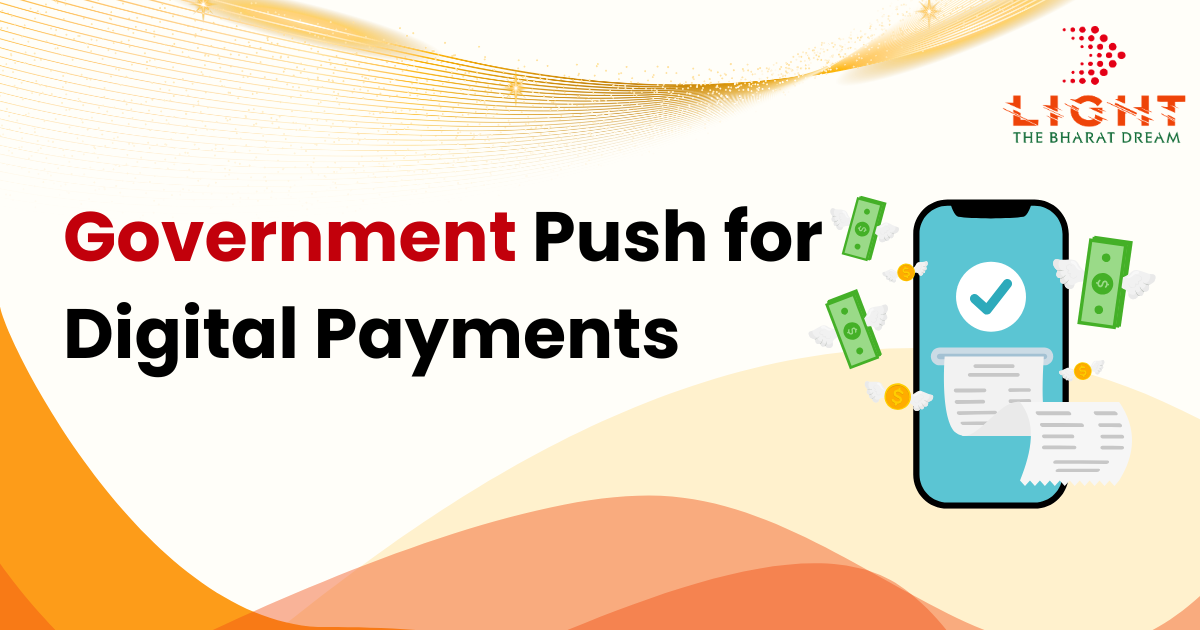
Government Push for Digital Payments
Digital payments are rapidly transforming the global economy and changing the way people manage money in their daily lives. Today, consumers can transfer money instantly, pay bills online, purchase products through mobile apps, and even make contactless payments at local stores within seconds. This shift toward cashless transactions has become one of the biggest financial changes of the modern era.
Governments across the world are actively encouraging digital payments to build stronger, more transparent, and more inclusive economies. A cashless ecosystem helps improve financial efficiency, reduces dependency on physical cash, and supports the growth of digital businesses and online banking systems.
How Digital Payments Work
Digital payment systems operate through secure electronic communication between banks, payment gateways, and merchant systems. Here is a simple breakdown of the process:
- A user initiates a payment using a mobile app, card, or banking platform.
- The payment request is securely transmitted to the bank or payment processor.
- The system verifies account details and security credentials.
- The transaction is approved.
- Funds are transferred digitally to the recipient account.
Modern payment systems use encryption, OTP verification, biometric authentication, and fraud monitoring technologies to improve security. The widespread availability of smartphones and internet connectivity has played a major role in the rapid adoption of digital payments worldwide.
Why Governments Are Promoting Digital Payments
Governments are promoting digital payments because they help modernize financial systems and improve economic transparency. A digital economy creates faster transactions, better tax systems, and improved access to banking services. The move toward digital payments also helps governments reduce cash-related operational costs while encouraging financial innovation.
1. Reducing Cash Dependency
Managing physical cash requires printing, transportation, storage, and security systems, all of which involve high costs. Digital payments reduce the need for cash circulation and simplify financial transactions. Cashless transactions also reduce risks such as:
- Theft
- Counterfeit currency
- Cash handling errors
- Physical money loss
For consumers, digital payments eliminate the need to carry large amounts of cash. For businesses, they simplify daily operations and payment management.
2. Improving Financial Inclusion
One of the biggest advantages of digital payments is improved financial inclusion. Millions of people in rural or underserved regions previously lacked access to traditional banking services. Government-backed digital payment programs allow users to:
- Open bank accounts online
- Receive government subsidies directly
- Transfer money instantly
- Access digital loans and savings services
Mobile banking and digital wallets have made financial services more accessible to low-income populations and small business owners. This inclusion helps strengthen economic participation across all sections of society.
3. Increasing Transparency
Digital transactions create electronic records that improve financial transparency and accountability. Governments can monitor payment flows more effectively and reduce illegal cash-based activities. Benefits of digital transparency include:
- Better tax collection
- Reduced corruption
- Lower tax evasion
- Easier financial tracking
- Improved auditing systems
Electronic payment records also help businesses maintain accurate financial documentation.
4. Supporting Economic Growth
Digital payment systems encourage the growth of online businesses, e-commerce platforms, fintech startups, and digital banking services. Faster financial transactions improve money circulation in the economy and create new business opportunities. Governments promoting digital economies often experience:
- Increased innovation
- Higher tax revenue
- Improved business efficiency
- Greater foreign investment interest
Digital infrastructure development also creates employment opportunities in the technology and financial sectors.
Key Government Initiatives for Digital Payments
Governments worldwide have introduced several initiatives to accelerate the adoption of digital transactions and create stronger digital economies. These initiatives focus on improving infrastructure, increasing awareness, and making digital payments accessible for both businesses and consumers.
1. UPI and Real-Time Payment Systems
Real-time payment systems have revolutionized the way people transfer money. Platforms like UPI allow users to:
- Send money instantly
- Pay utility bills
- Scan QR codes for purchases
- Receive direct payments
- Transfer money 24/7
These systems are simple, affordable, and highly convenient for users of all age groups. Small businesses especially benefit because they can accept digital payments without expensive payment machines
2. Digital Banking Campaigns
Governments and financial institutions regularly organize awareness campaigns to educate citizens about digital banking services. These campaigns focus on:
- Teaching people how to use payment apps
- Creating awareness about online safety
- Promoting financial literacy
- Encouraging banking access in rural areas
Educational programs help users gain confidence in using digital financial tools safely and effectively.
3. Incentives for Businesses and Consumers
To encourage digital payment adoption, governments often provide incentives such as:
- Cashback rewards
- Discount offers
- Zero transaction charges
- Tax benefits
- Merchant support programs
These incentives motivate users to switch from cash transactions to digital payment methods. For businesses, reduced transaction costs and faster payment processing create additional financial advantages.
4. Smart City and Digital Economy Programs
Digital payment systems play a major role in smart city development. Governments are investing in:
- High-speed internet infrastructure
- Digital public transportation systems
- Online government services
- Smart payment technologies
These projects improve convenience for citizens while supporting economic modernization. Digital economies also help countries become more competitive in the global technology market.
Benefits of Digital Payments for Users
Digital payments offer several practical benefits that improve daily financial activities for users. From convenience to security, digital transactions provide faster and more efficient payment experiences.
1. Convenience and Speed
One of the biggest advantages of digital payments is convenience. Users can make payments anytime and from anywhere using their smartphones or computers. Tasks that previously required bank visits can now be completed instantly, including:
- Money transfers
- Utility bill payments
- Ticket bookings
- Online shopping
- Mobile recharges
Real-time transactions save time and reduce waiting periods.
2. Better Financial Management
Digital payment platforms automatically maintain transaction histories, helping users track spending patterns more effectively. Users can:
- Monitor expenses
- Create budgets
- Analyze spending habits
- Access payment records anytime
This improves financial discipline and money management.
3. Enhanced Security Features
Modern digital payment systems use advanced security technologies to protect users. Security features commonly include:
- OTP verification
- Fingerprint authentication
- Face recognition
- PIN protection
- Fraud detection systems
Banks and payment apps continuously monitor suspicious activities to prevent fraud and unauthorized access.
4. Access to More Financial Services
Digital payments also provide easier access to additional financial products and services. Users can access:
- Digital loans
- Investment platforms
- Online insurance
- Savings programs
- E-commerce services
This improves overall financial accessibility and convenience.
Conclusion
The government’s push for digital payments is helping create a faster, safer, and more transparent financial system. Digital transactions make everyday payments easier for users while supporting businesses and economic growth. From improved financial inclusion to better convenience and security, digital payment systems are transforming how people manage money. As technology continues to evolve, digital payments are expected to play an even bigger role in building a smart and cashless future.