How Inflation Affects Your Expenses
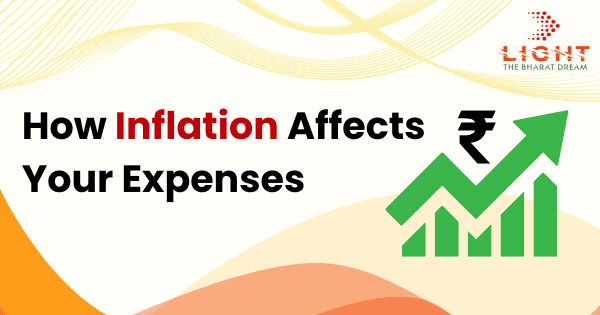
Saving money is one of the best ways to prepare for future expenses, emergencies, and financial goals. However, inflation can reduce the value of your savings over time if your money isn’t growing at the same pace as rising prices.
For example, imagine you have 10,000 in a savings account that earns 2% interest per year. If inflation is 5%, your savings still grow in dollar value, but your purchasing power decreases because prices are increasing faster than your money.
How Inflation Affects Debt and Loans
Inflation doesn’t just increase the price of everyday goods and services it can also affect the cost of borrowing money. During periods of high inflation, central banks may raise interest rates to help control rising prices. As a result, borrowing can become more expensive, especially for loans with variable interest rates.
Whether you have a credit card, personal loan, car loan, or home loan, understanding how inflation impacts your debt can help you make better financial decisions and avoid unnecessary interest costs.
1. Credit Card Debt
Credit cards are one of the most expensive forms of borrowing, particularly if you carry a balance from month to month. Since many credit cards have variable interest rates, they can become even more costly when inflation leads to higher interest rates. As borrowing costs increase, you may experience:
- Higher interest charges on outstanding balances
- Increased minimum monthly payments
- Longer repayment periods if only minimum payments are made
- A higher overall cost of borrowing
For example, if you have a large unpaid credit card balance, even a small increase in the interest rate can add hundreds of dollars in extra interest over time.
2. Personal Loans
Inflation affects personal loans differently depending on whether they have a fixed or variable interest rate.
Fixed-Rate Personal Loans
With a fixed-rate personal loan, your interest rate and monthly payment remain the same throughout the loan term. This means your repayments won’t increase simply because inflation rises. A fixed-rate loan offers several advantages during inflation:
- Predictable monthly payments
- Easier budgeting
- Protection from rising interest rates
- Greater financial stability
If you already have a fixed-rate loan, you won’t need to worry about changes in interest rates affecting your monthly installments.
Variable-Rate Personal Loans
Variable-rate loans are directly affected by changes in market interest rates. If interest rates rise during periods of inflation, your loan repayments may also increase.
This can lead to:
- Higher monthly loan payments
- Increased total interest costs
- Greater pressure on your monthly budget
- Reduced disposable income for other expenses
Before taking out a variable-rate loan, make sure you understand how interest rate changes could affect your future repayments. If possible, calculate whether you could still comfortably afford the loan if rates increase.
3. Home Loans
For many households, a mortgage is the largest financial commitment they will ever make. Inflation can influence home loan costs depending on the type of mortgage you have.
Fixed-Rate Home Loans
If your mortgage has a fixed interest rate, your monthly principal and interest payments generally remain the same throughout the fixed-rate period. This provides peace of mind because your housing payment won’t increase due to rising interest rates.
However, owning a home may still become more expensive during inflation because other housing-related costs can rise, including:
- Property taxes
- Home insurance premiums
- Maintenance and repair costs
- Utility bills
- Homeowners’ association fees (where applicable)
Although your mortgage payment may stay the same, these additional expenses can increase your overall cost of homeownership.
Adjustable-Rate Home Loans
With an adjustable-rate or variable-rate mortgage, your interest rate may change periodically based on market conditions. If inflation causes interest rates to rise, your monthly mortgage payment could increase as well.
This may result in:
- Higher monthly housing costs
- Increased total interest paid over the life of the loan
- Less room in your budget for savings and other expenses
If you have an adjustable-rate mortgage, it’s a good idea to review your loan terms regularly and plan for the possibility of higher payments in the future.
Practical Ways to Manage Rising Expenses
1. Create a Realistic Monthly Budget
A budget helps you understand exactly where your money goes each month. Start by dividing expenses into categories such as:
- Housing
- Food
- Transportation
- Utilities
- Healthcare
- Savings
- Entertainment
Review your budget monthly and adjust it as prices change.
2. Track Every Expense
Many people underestimate how much they spend on small daily purchases. Tracking your expenses for a month can reveal spending habits you may not have noticed. You can use:
- A budgeting app
- A spreadsheet
- A notebook
- Your online banking records
Once you know where your money is going, it becomes easier to identify areas where you can cut back.
3. Cut Unnecessary Spending
Not every expense is essential. Review recurring subscriptions and discretionary purchases such as:
- Streaming services
- Dining out
- Impulse shopping
- Premium memberships
Cancel or pause services you rarely use and redirect those savings toward essential expenses or your emergency fund.
4. Build an Emergency Fund
Unexpected expenses become even more challenging during inflation. Aim to gradually build an emergency fund that can cover several months of essential living expenses. Even small, consistent contributions can make a significant difference over time.
5. Compare Prices Before Buying
Prices often vary between retailers. Before making purchases:
- Compare prices online and in stores.
- Watch for seasonal promotions.
- Use coupons or cashback offers when they provide genuine savings.
- Consider store-brand alternatives if the quality meets your needs.
Being a smart shopper can help offset rising prices.
6. Buy in Bulk When It Makes Financial Sense
Buying larger quantities can lower the cost per unit but only if you’ll use the products before they expire. Bulk buying works well for:
- Rice
- Pasta
- Canned foods
- Cleaning supplies
- Toiletries
- Paper products
Avoid bulk purchases of perishable items unless you’re confident they’ll be used.
7. Reduce Energy Consumption
Lowering your energy use can reduce monthly utility bills. Simple changes include:
- Turning off unused electronics.
- Using energy-efficient appliances.
- Washing clothes in cold water when appropriate.
- Adjusting your thermostat responsibly.
- Sealing doors and windows to improve insulation.
These habits benefit both your budget and the environment.
8. Pay Off High-Interest Debt
Interest charges become more costly when finances are tight. Focus on paying down high-interest debt first, especially credit cards. Reducing interest payments frees up money for savings and essential expenses. If you have multiple debts, consider prioritizing those with the highest interest rates while continuing to make minimum payments on others.
9. Look for Ways to Increase Your Income
While reducing expenses is helpful, increasing your income can provide additional financial flexibility. Depending on your situation, you might consider:
- Freelancing in your area of expertise.
- Starting a small side business.
- Selling unused items.
- Learning new skills to qualify for higher-paying opportunities.
- Negotiating a salary review based on your performance.
Even a modest increase in income can help offset rising living costs.
Which Expenses Usually Increase the Most During Inflation?
| Expense Category | Typical Impact of Inflation |
| Groceries | High |
| Fuel and Transportation | High |
| Housing and Rent | Medium to High |
| Utilities | Medium |
| Healthcare | Medium |
| Education | Medium |
| Entertainment | Low to Medium |
Conclusion
Inflation is a natural part of the economy, but its effects can be felt in almost every aspect of your daily life. From higher grocery bills and rising housing costs to increased transportation and healthcare expenses, inflation reduces the purchasing power of your money and can make it more challenging to stick to your budget.
The good news is that while you can’t control inflation, you can control how you respond to it. Creating a realistic budget, tracking your spending, building an emergency fund, reducing unnecessary expenses, and paying down high-interest debt are all practical steps that can help you manage rising costs more effectively.