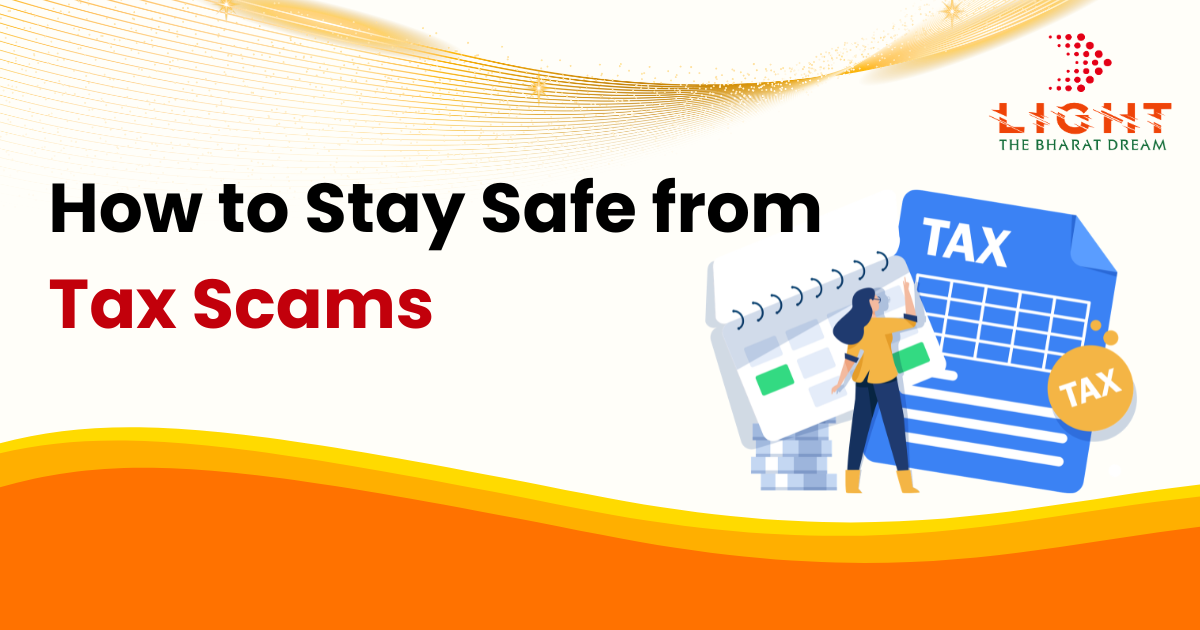
How to Stay Safe from Tax Scams
With an increasing number of individuals filing their taxes online and transacting money there, tax scams are on the rise. Tax season is a busy time for scams, when people are likely to provide personal information, banking information, or send money to potential scammers. Fraudsters claim to be tax inspectors or financial representatives and instill fear by sending fake notices, emails, or making phone calls.
These scams can appear very credible, leaving many unwittingly taken in. Being knowledgeable and cautious can mean no financial loss or identity theft. The key to protecting yourself and your family from tax scams is to understand how they work.
What Are Tax Scams?
Understanding Tax Scams in Simple Words
Tax scams are deceptive schemes that involve criminals falsely claiming to be from tax authorities or financial services providers. They aim to rob the confidential details of sensitive cards like Bank details, passwords, PAN number, Aadhaar information, or even direct payment from innocent people. Typically, these scams involve phone calls, emails, text messages, fake websites, or social media.
Scammers typically generate a situation that can cause panic or prompt fast action. They might say that taxes are not collected, they will be refunded, or accounts will be shut down if they are not paid.
Why People Easily Fall for Tax Scams
Many people become victims because scammers are skilled at creating pressure and fear. When someone receives a threatening message about legal action or unpaid taxes, they may react emotionally instead of carefully checking whether the communication is genuine.
In some cases, scammers attract people with promises of large tax refunds or easy financial benefits. Since tax rules and online security can sometimes feel confusing, fraudsters use this confusion to their advantage. Lack of awareness also plays a major role in making these scams successful.
Types of Tax Scams You Should Know
1. Fake Calls from “Tax Department” Officials
One of the most common scams involves fake calls from people pretending to be tax officers. These callers often sound professional and may even use official-looking information to gain trust. They usually claim that taxes are pending and threaten legal action, penalties, or account suspension if payment is not made immediately.
The scammer may pressure victims to transfer money instantly through digital payment apps or other unofficial methods. Genuine tax departments generally do not ask for urgent payments over the phone.
2. Phishing Emails and SMS Messages
Phishing scams are another popular method used by cybercriminals. These scams usually arrive as emails or text messages that appear official. The messages may ask users to verify personal details, claim a tax refund, or update banking information.
When people click on suspicious links, they are often redirected to fake websites designed to steal personal information. In some cases, clicking the link may also install harmful software on the user’s device.
3. Fake Tax Refund Offers
Scammers know that people are interested in receiving tax refunds, which is why fake refund offers are very common. Victims may receive messages saying they are eligible for a refund and need to submit bank details or account information to process the payment. These scams are designed to collect sensitive financial information. Once scammers gain access to banking details or login credentials, they may misuse the information for fraud.
4. Social Media Tax Scams
Social media has become another platform where scammers target users. Fraudsters create fake profiles, advertisements, or pages that promise tax-saving tips, quick refunds, or financial assistance. These offers may appear attractive, especially during tax season. Many people trust social media content without verifying its authenticity, which allows scammers to collect personal information or payments easily.
5. Fake Tax Filing Websites and Apps
Some fraudsters create websites and mobile apps that closely resemble official tax filing platforms. These fake websites are designed to steal usernames, passwords, banking details, and tax information from users. People who do not carefully check website addresses or security settings may unknowingly submit sensitive information to scammers instead of genuine tax platforms.
How to Stay Safe from Tax Scams
1. Never Share Personal Information Quickly
You should never share sensitive information without verifying who is requesting it. Personal details such as PAN numbers, Aadhaar details, banking information, passwords, and OTPs should always remain private. Taking a few extra minutes to verify the source can protect you from major financial losses.
2. Verify Before You Trust
Whenever you receive a suspicious call, email, or message, it is important to verify the information through official sources. Visiting the official tax department website or contacting verified customer support can help confirm whether the communication is genuine. Blindly trusting unknown callers or messages can lead to serious fraud.
3. Avoid Clicking Unknown Links
Unknown links should always be avoided, especially if they come from unexpected emails or text messages. Scam links are often designed to steal information or install harmful software on devices. Typing official website addresses directly into the browser is usually safer than clicking links from messages.
4. Use Trusted Tax Filing Platforms
Using only trusted and official tax filing websites can reduce the risk of scams. Secure platforms usually have proper security certificates and reliable customer support. Before entering personal details online, users should always check whether the website is genuine and secure.
5. Keep Your Devices Secure
Cybersecurity plays an important role in staying safe from scams. Keeping devices updated, using antivirus software, and creating strong passwords can help protect personal information from hackers and online criminals. A secure device reduces the chances of malware attacks and data theft.
6. Stay Calm During Scary Calls
Scammers depend on fear and panic to control victims. Staying calm during suspicious calls allows you to think clearly and avoid making rushed decisions. If something feels suspicious, it is always better to disconnect the call and verify the information independently.
What To Do If You Become a Victim of a Tax Scam
1. Report the Scam Immediately
If you believe you have been targeted by a tax scam, reporting the incident quickly is very important. Contacting your bank and cybercrime authorities immediately may help prevent further financial damage. Quick reporting can also help authorities track and stop scammers.
2. Change Passwords and Secure Accounts
Victims should immediately change passwords for email accounts, banking apps, tax portals, and digital payment platforms. Updating passwords quickly can help prevent unauthorized access. Using strong and unique passwords adds an extra layer of protection.
3. Monitor Your Financial Activity
After becoming a victim of fraud, it is important to regularly monitor bank statements and online transactions. Any suspicious activity should be reported immediately. Careful monitoring can help detect fraud before larger losses occur.
4. Inform Family Members
Sharing information about scams with family and friends can help protect others from becoming victims. Awareness is one of the best ways to reduce online fraud. Talking openly about scams also encourages people to stay cautious during tax season.
How Government Tax Departments Usually Contact You
Official tax departments generally communicate through registered emails, official portals, or written notices. They usually follow proper procedures and provide enough time for responses. Government agencies normally do not demand immediate payments through phone calls or ask for confidential information like passwords and OTPs. Understanding these differences can help people identify fake communications more easily.
Final Thoughts
Tax scams are becoming more sophisticated, but awareness and caution can help you stay protected. Scammers often rely on fear, urgency, and confusion to trick people into making mistakes. By staying informed and following safe online practices, you can reduce the risk of becoming a victim. Always verify suspicious communications, avoid sharing sensitive information carelessly, and use only trusted platforms for tax-related activities. A little caution can go a long way in protecting your finances and personal identity.