Smart Financial Habits in Your 30s

Your 30s are your financial wake-up call. Most of us will likely experience significant life changes in this decade: careers, marriage, purchasing homes, raising families or planning for retirement. While these life stages can bring us great joy, they also bring financial responsibilities.
The choices that we make in our 30s can have lasting consequences on our financial futures. Developing good financial habits today will help us create an abundant future for ourselves and for our families and make us a safer individual in times of need.
Create and Follow a Monthly Budget
1. Why Budgeting Is the Foundation of Financial Success
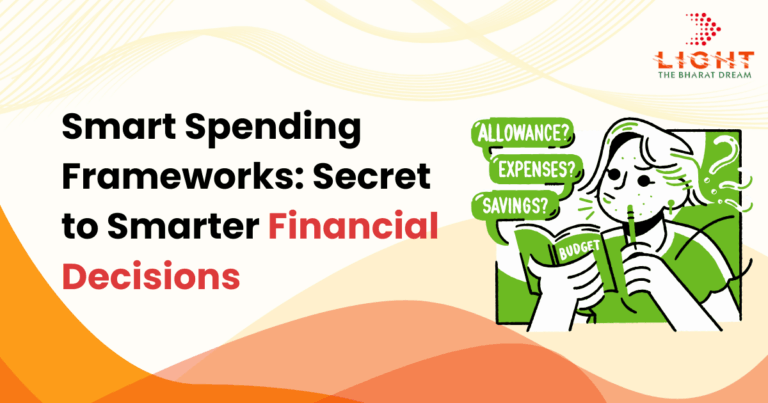
Budgeting is one of the most important tools one can have to attain financial success. However, many people avoid creating budgets because they feel as if it is like losing freedom and limitations to one’s spending. The truth of the matter is that a budget simply gives one control over their money, instead of letting money control them. What you pay will not be a mystery month to month, but will have intention.
When we create budgets, we know what is going in and coming out each month. We have awareness of where are income is being allocated, our spending priorities and the areas in which we need to improve.
2. Simple Budgeting Methods to Try
There is no budget that is the perfect for everyone and the trick to budgeting success is to use a budget you will stick to. I personally like the 50/30/20 budget because of its simplicity. This type of budget allocates portion of money to necessities, personal spending and savings. Other styles include the zero-based budget, which gives every dollar an intention or spending plan before the month begins.
3. Budgeting Mistakes to Avoid
One mistake people make when budgeting is creating a budget that is too stringent. The more difficult it is to follow, the quicker people tend to abandon it. Another mistake is failing to account for sporadic and unexpected costs such as annually, bi-annual insurance payments, or house and/or car maintenance and seasonal purchases like Christmas gifts.
Build an Emergency Fund Before Anything Else
1. What Is an Emergency Fund?
Financial emergencies can pop up anytime, so it is important to save for unexpected costs like large medical bills, a job loss, car or house maintenance. This cushion can help you navigate financial difficulty.
An emergency fund is simply a set of money to cover an unexpected situation. Instead of using your credit card or taking out loans to handle your emergency, your emergency savings will cover the needed costs.
2. How Much Should You Save?
The exact amount of savings you should have will depend on your financial circumstances. Most financial experts agree that at least three to six months of your necessary living costs should be held in a emergency fund. Those of us with fluctuating and or dependent income will likely want a larger cushion. It may take some time to build a solid emergency fund if you have several other goals that you are saving for, but small contributions added monthly can quickly accumulate into something substantial.
3. Best Places to Keep Emergency Savings
You need your emergency savings readily available for when it is needed, but separate from your normal account so you will be more apt to use it only in an emergency. Savings accounts can also provide you peace of mind and provide security while not being high enough returns to tempted to be used outside of emergencies.
4. Why an Emergency Fund Is Essential
Having a secure financial safety net is a great relief and can diminish financial stress. When you know you have savings for emergencies, you will be more at ease when focusing on other long-term financial objectives and can avoid using loans. An emergency fund can prevent a temporary financial inconvenience from developing into long-term financial problem and save your investments from falling.
Eliminate High-Interest Debt Quickly
1. High-Interest Debt Can Hold You Back
High-interest debt can be one of the biggest impediments to creating wealth. Whereas some debt, such as a mortgage, might be deemed reasonable, high-interest debt is an actual detriment to your financial progression by “eating” up funds you may use for savings or investment.
Credit card balances are particularly troublesome because the interest rates charged can be extraordinarily high; therefore, you may struggle to reduce the balances if you do not pay the entire amount off monthly.
2. Effective Strategies for Paying Off Debt
Successful debt repayment requires discipline and consistency. Some individuals have success by targeting the smallest debts first, to get an initial morale boost and to demonstrate to themselves they can be successful, while other people concentrate on eliminating the largest-interest debts to pay down their costs in borrowing as soon as possible.
Regardless of the approach, be clear and stick to a detailed repayment plan. Efforts to pay more than the bare minimum whenever possible dramatically reduce how long it takes to get debt-free.
3. Staying Debt-Free in the Future
If you manage to pay off your debts, don’t revert to old financial ways. Have an attainable budget, a well-stocked emergency fund, and avoid needless expenditures.
It’s important to learn to discriminate between needs and wants because many items that seem incredibly important in the moment will add negligible long-term value and possibly bring on financial hardship when acquired on debt.
Start Investing Early and Consistently
1. Why Time Is Your Greatest Financial Advantage
For wealth creation purposes, time is arguably more valuable than amount invested. Investing early enables you to reap the benefits of compounding which will exponentially increase your wealth in the future. The majority of people do not invest because they feel like they have to be in a certain financial position to begin but you can actually achieve a high amount by investing a small amount regularly. The most vital component is to start investing today.
2. Understanding the Power of Compound Growth
When earnings on an investment generate further earnings, the resulting cycle accelerates and the value of your account rises rapidly. The long that amount is invested, the greater the compounding effect and thus, starting in your 30s allows for far greater wealth accumulation compared to waiting any longer.
3. Investment Options for Beginners
It is usually recommended to have investment strategies that focus on diversification, such as index funds, exchanged-traded funds, and retirement accounts; rather than individual stock picking. The diversified portfolio can aid to mitigate your risk and provide opportunities to invest in a broad market of companies and industries; an investment approach ideal for long-term wealth creation.
4. Common Investing Mistakes to Avoid
A lot of beginners make the error of focusing on trying to predict where the market will go in the short term or on emotional investing and following trends without any analysis. Those factors can and typically will lead to a disastrous outcome. The successful investor must be disciplined and have patience because the best outcomes are those where one is able to maintain focus on consistent contributions in diversified investments that align with long-term goals, not what will transpire in the market tomorrow.
Conclusion
Building healthy financial habits and routines in your 30s is a way to better prepare for the future of your finances for many years to come. Despite the challenges it may seem to pose, saving, budgeting, investing, paying off debt and financial planning can have a real impact if carried out consistently over time. It is important to aim for progression rather than perfection, but it’s always recommended to make good decisions.
There is no immediate quick fix, but by initiating smart financial practices in your 30s, you can cut down on your future financial struggles, satisfy all of your objectives, and set up a sound financial footing for yourself and your family.