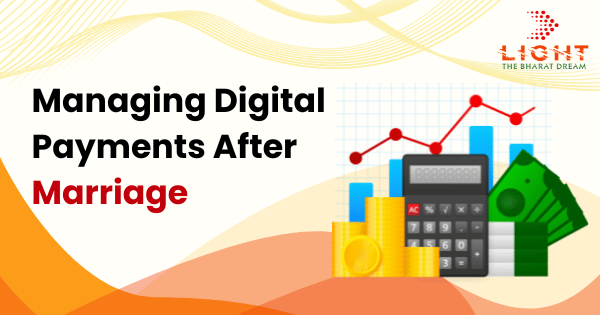
Managing Digital Payments After Marriage
Marriage is one of the biggest milestones in life, bringing together not only two people but also their financial responsibilities, goals, and spending habits. While couples often spend time planning their wedding and future lifestyle, many overlook the importance of creating a financial system that works for both partners. In today’s digital world, where most transactions are completed through mobile banking apps, online wallets, debit cards, and instant payment platforms, managing money together has become easier than ever. However, convenience alone does not guarantee financial harmony.
Understanding Your Financial Situation as a Couple
Before discussing payment apps, joint accounts, or budgeting strategies, couples should first develop a clear understanding of their overall financial situation. Marriage creates a financial partnership, and that partnership becomes stronger when both individuals know where they stand financially. Honest conversations about income, expenses, debt, and savings can help prevent misunderstandings later.
Financial discussions are sometimes uncomfortable because money is often a personal topic. However, avoiding these conversations can create confusion and unrealistic expectations. Taking the time to understand each other’s financial background allows couples to make better decisions and establish a foundation of trust.
Discuss Financial Goals Early
One of the most important conversations newly married couples can have is about their financial goals. Every person enters marriage with different dreams and priorities. One partner may be focused on buying a home within the next few years, while the other may want to travel extensively or invest aggressively for early retirement. Without discussing these goals, it can become difficult to align spending and saving decisions.
Financial goals provide direction and purpose for a couple’s money. Instead of viewing income as something to spend immediately, couples begin to see it as a tool for achieving their future aspirations. When both partners understand what they are working toward, they are more likely to make financial decisions that support those objectives.
Share Your Financial Habits
Every person has a unique relationship with money. Some people naturally save a large portion of their income, while others prefer spending on experiences, hobbies, or lifestyle upgrades. These habits are often shaped by family upbringing, past experiences, and personal values.
Marriage requires both partners to understand and respect these differences. Openly discussing spending habits allows couples to identify areas where their financial behaviors align and where adjustments may be necessary. For example, if one partner regularly tracks every expense while the other rarely monitors spending, they may need to establish a system that balances both approaches.
Decide How You Want to Manage Money Together
Once both partners have a clear understanding of their financial situation, the next step is deciding how money will be managed within the marriage. There is no universal solution because every couple has different preferences, incomes, and financial priorities. The goal is to create a system that promotes fairness, transparency, and convenience while reducing the potential for conflict.
Option 1: Separate Accounts
Some couples choose to keep their finances completely separate after marriage. Under this arrangement, each partner maintains individual bank accounts and remains responsible for managing their own income and spending. Shared expenses are usually divided according to an agreed-upon system.
This approach can work well for couples who value financial independence and prefer having full control over their personal spending decisions. Maintaining separate accounts can also reduce the feeling of being monitored or judged for everyday purchases.
Option 2: Joint Account
A joint account is a popular option for married couples because it creates a centralized location for managing household finances. Both partners contribute funds into the account, and shared expenses are paid directly from it. This arrangement can simplify budgeting and provide greater visibility into the family’s financial position.
Joint accounts often encourage teamwork because both individuals are actively involved in managing household expenses and working toward common goals. They can make paying rent, utility bills, insurance premiums, and other recurring expenses more convenient.
Option 3: Hybrid Approach
Many financial experts consider the hybrid approach one of the most practical systems for modern couples. This method combines the benefits of personal and joint accounts, allowing couples to maintain individual financial freedom while still sharing responsibility for household expenses.
Under a hybrid arrangement, each partner keeps a personal account for individual spending and contributes a predetermined amount to a shared account used for common expenses. This structure creates a balance between independence and collaboration. The hybrid approach can reduce financial stress because it allows each person to make personal spending decisions without affecting shared household finances.
Set Up Shared Digital Payment Methods
After establishing a financial structure, couples should focus on creating a system for managing digital payments. Since most financial transactions now occur electronically, having an organized digital payment strategy can save time, improve transparency, and prevent missed payments. A well-designed payment system allows couples to track expenses more accurately and maintain better control over their finances.
Create a Household Expense System
Every household has recurring expenses that must be managed consistently. These expenses often include housing costs, utility bills, internet services, groceries, insurance premiums, transportation expenses, and entertainment subscriptions. Without a clear system, it is easy for payments to be overlooked or duplicated.
Creating a household expense system helps couples understand exactly where their money is going each month. It also reduces confusion regarding financial responsibilities. When both partners know how expenses are tracked and paid, they are less likely to encounter disagreements about money.
Choose the Right Digital Payment Apps
The digital payment tools a couple uses can significantly influence how efficiently they manage their finances. Modern payment platforms offer much more than simple money transfers. Many provide budgeting features, spending reports, bill reminders, automated payments, and transaction tracking.
Choosing the right platform should depend on the couple’s financial needs and preferences. Security should always be a top priority because shared financial accounts contain sensitive information. Reliable payment applications help couples stay organized while providing the convenience of managing finances from virtually anywhere.
Conclusion
Managing digital payments after marriage is about more than just paying bills it’s about building trust, transparency, and financial stability as a couple. By openly discussing financial goals, choosing a money management system that works for both partners, and using digital payment tools wisely, couples can simplify their finances and avoid unnecessary stress. Whether you prefer separate accounts, a joint account, or a hybrid approach, the key is maintaining clear communication and working toward shared financial goals. With the right planning and habits, digital payments can become a powerful tool for creating a secure and successful financial future together.