The Buy Now Pay Later Mindset Explained

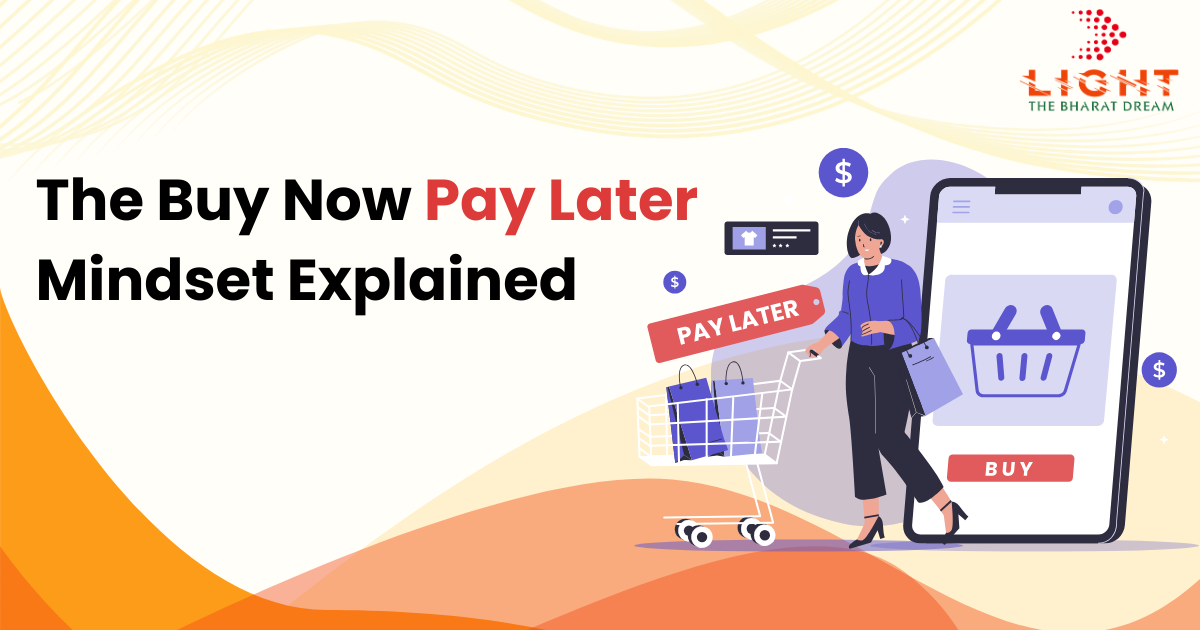
Shopping on the internet is less complicated than ever. It only takes a few clicks to order clothes, gadgets, and even furniture. Buy Now, Pay Later (BNPL) is one of the features that have made the process of shopping even more convenient.
You do not need to make the entire payment at once, but can divide it into smaller installments. Although this might seem well balanced, it also brings about an attitude to Buy Now Pay Later with the mindset that one feels comfortable spending money that they do not have at the moment. This article will help you know why this mindset is as attractive as it is, the dangers of it, and how you can use BNPL in a responsible way and without damaging your money.
What is Buy Now Pay Later (BNPL)?
Buy Now Pay Later is a system of payment that enables customers to buy goods in the short term and pay for them in smaller amounts in the long term. The payment is not made in a single installment at checkout but in a number of installments. For example: A BNPL plan could enable you to pay: -if the product cost is ₹10,000.
- ₹2,500 today
- ₹2,500 next month
- ₹2,500 the following month
- ₹2,500 in the final month
Many online stores and apps now offer BNPL options during checkout. This option is especially common when buying electronics, fashion items, or travel bookings.
Why the Buy Now Pay Later Mindset is So Attractive
BNPL feels convenient and simple, which is why many people prefer it. But there are psychological reasons behind its popularity.
1. Instant Gratification
The first point is that people are fond of BNPL because it brings immediate satisfaction. You do not have to look forward to saving up enough money before you can. You will be in a position to purchase the commodity and begin consuming it immediately. As an illustration, rather than saving three months to afford a phone, BNPL will allow you to purchase it immediately and pay later.
2. Smaller Payments Feel Easier
It seems to be easier to pay 500 per month than pay 6000 as a one-time payment. Although the overall price is the same, when it is split into smaller payments, the purchase will seem cheaper. This is a psychological gimmick that usually leads to increased spending by individuals than would have otherwise been the case.
3. Fear of Missing Out (FOMO)
Many online stores use limited-time offers and flash sales. When customers see messages like:
- “Only a few items left.”
- “Sale ends tonight.”
- “Exclusive offer”
They feel pressured to buy immediately. BNPL removes the financial barrier, making the decision even faster.
4. Easy Approval Process
In contrast to conventional loans, BNPL services tend to have very minimal approval procedures. The registration is fast, and most users are registered in a few minutes. Due to such easy access, individuals might begin to make more frequent use of BNPL.
How BNPL Changes Consumer Spending Behavior
BNPL not only transforms the manner in which individuals pay, but it also transforms the way individuals think about money usage. A large number of shoppers will start thinking in terms of a monthly payment rather than the overall cost. Rather than the following question:
“Can I afford this ₹20,000 purchase?”
people start asking:
“Can I afford ₹2,000 per month?”
This small shift in thinking often leads to more impulse purchases and higher overall spending. Some people also end up managing multiple installment plans at the same time, which can become difficult to track.
Hidden Risks of the Buy Now Pay Later Mindset
While BNPL can be convenient, it also carries several risks if not used with caution.
1. Overspending Without Realizing
When payments are divided into smaller amounts, it becomes easy to buy multiple items. For example:
- ₹1,500 monthly for a phone
- ₹800 monthly for headphones
- ₹1,200 monthly for clothes
Individually, these payments may seem small, but together they can create a heavy financial burden.
2. Late Fees and Penalties
If you miss a payment, many BNPL providers charge late fees. These fees can quickly add up, making the purchase more expensive than expected.
3. Debt Accumulation
When someone uses BNPL for many purchases at the same time, the installments start overlapping. Over time, the monthly payments can become difficult to manage and may lead to financial stress.
4. Impact on Credit Score
Some BNPL services report payment activity to credit bureaus. If payments are missed or delayed, it can negatively impact your credit score, making it more difficult to obtain loans or credit cards in the future.
Signs You Might Be Trapped in the BNPL Mindset
Sometimes people use BNPL without realizing how much they depend on it. Here are some warning signs:
- You frequently buy things you don’t really need
- You have multiple BNPL installments running at the same time
- You forgot the upcoming payment dates
- You feel stressed about monthly payments
If these situations sound familiar, it may be time to rethink your spending habits.
When Buy Now Pay Later Can Actually Be Helpful
Despite the risks, BNPL can be beneficial in certain situations.
For example:
- When you need to buy something urgently
- When the plan offers zero-interest payments
- When you want to manage short-term cash flow
If used responsibly, BNPL can be a helpful financial tool rather than a financial trap.
Alternatives to Buy Now Pay Later
To avoid the risks associated with BNPL, several alternatives are available. Some options include:
- Saving money before making a purchase
- Using credit cards responsibly
- Creating a monthly spending budget
- Using financial planning apps
These methods help you maintain control over your finances.
Conclusion
Buy now, Pay Later mentality has simplified and made shopping convenient for millions of individuals. Nevertheless, this ease of use may cause wastefulness and bankruptcy. BNPL is effective when conducted prudently and responsibly. You can take advantage of BNPL and not end up spending money on useless things by monitoring your payments, making unnecessary purchases, and budgeting your expenditures. Convenience must not in any way be at the expense of your financial stability.