How Digital Payments Improve Financial Inclusion
Digital payments are transforming the financial lives of people. People today can send, receive, and store money from smartphones, mobile applications, QR codes, and online banking platforms without having to go to a bank branch. Digital payment systems are a part of everyday life, from bills and banking to online shopping.
Meanwhile, millions of people are not yet served by basic financial services worldwide. When opening a bank account, accessing credit, or saving money safely is a challenge for many who live in rural or underserved areas. This is where digital payments come in handy.
Types of Digital Payment Methods
Digital payments are the process of paying electronically, rather than with cash. There are numerous digital payment options available nowadays, including:
- Mobile wallets like Google Pay and PhonePe
- UPI-based payments
- Internet banking services
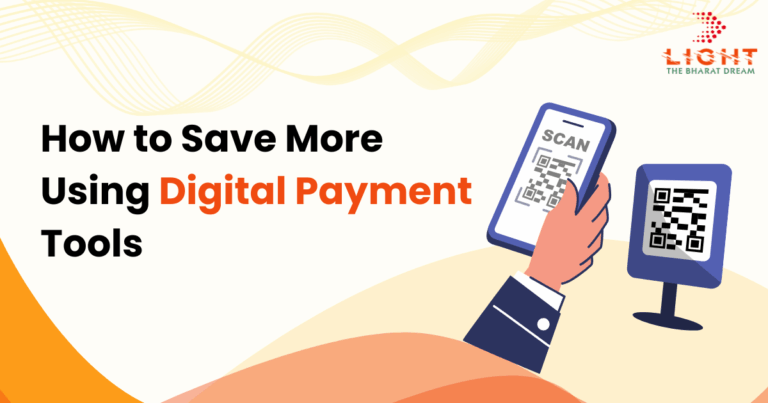
- QR code payments
- Debit and credit card payments
- Online money transfer services
- Mobile banking apps
These payment options allow users to transfer money quickly and securely from almost anywhere.
How Digital Payments Work
Digital payments work through electronic systems that connect users, banks, payment apps, and merchants. When a user sends money digitally, the payment information is securely processed through banking networks and transferred instantly. Most digital payment systems only require a smartphone, internet connection, and a bank account or mobile wallet. In some regions, even basic mobile phones can support digital money transfers through SMS-based services.
How Digital Payments Improve Financial Inclusion
1. Easy Access to Financial Services
Access to financial services is one of the most significant aspects of enhancing financial inclusion through digital payments. In some rural or low-population areas, there can be no bank branches,s and therefore banking can be difficult and time-consuming.
Digital payment platforms have overcome this hurdle by enabling people to gain access to financial products and services directly from their mobile phones. Now, people can send and receive money, pay bills, top up mobiles, and more, from anywhere. This accessibility is especially beneficial for:
- Rural populations
- Small shop owners
- Farmers
- Migrant workers
- Daily wage earners
As a result, more people can participate in the formal economy without depending entirely on physical banking infrastructure.
2. Faster and Safer Transactions
Cashing out can take time and be fraught with danger. Carrying a large amount of cash makes it more susceptible to theft or loss. Also, cash payments may not have adequate payment records. Digital payments can address these problems by providing:
- Instant money transfers
- Secure online transactions
- Real-time payment confirmations
- Better transaction tracking
For families and businesses, faster payments improve convenience and financial efficiency. Workers can send money to their families instantly, and merchants can receive payments without handling physical cash. Digital payments also reduce human errors associated with cash handling.
3. Lower Transaction Costs
Maintenance fees, transactions, or visiting branches are costly for many traditional banking facilities. These expenses can make financial services unaffordable to low-income consumers. Generally, digital payment methods come with low orzero-costt transactions, which makes financial services available to all for affordable prices. Lower costs benefit:
- Small businesses
- Freelancers
- Rural workers
- Students
- Low-income households
Affordable financial services encourage more people to adopt formal financial systems and reduce dependence on cash-based economies.
4. Financial Access Through Smartphones
Smartphones are a big part of the story of financial inclusion through the digital space. There are many people today who have mobile devices but don’t have access to traditional banking. Mobile payment apps enable users to:
- Send money instantly
- Store funds digitally
- Pay bills online
- Shop online securely
- Access banking services remotely
Smartphones are increasingly serving as the main entry point to financial inclusion in many developing countries. Mobile money services can be provided even using a basic mobile phone by sending and receiving SMS-based messages, enabling users in parts of the world where there are limited internet services.
5. Support for Small Businesses
Digital payments are supporting the growth of small businesses by making transactions easy and transparent. Customers are more and more keen to use cashless payment options as they are also quick and convenient. Businesses benefit from digital payments because they offer them:
- Faster payment collection
- Better sales tracking
- Improved customer trust
- Reduced cash handling risks
- Easier bookkeeping
For street vendors, small stores, and small business owners without a payment machine, QR code payments or mobile wallets are an excellent option to accept payment without the need to invest in a costly machine. This increases the participation of small businesses in the economy and enhances financial participation.
6. Government Benefit Distribution
Globally, governments are leveraging digital payment platforms to deliver direct payments to citizens. Beneficiaries receive welfare payments, pensions, subsidies, and emergency payments more quickly via digital payments. Digital benefit distribution supports:
- Reduce corruption
- Eliminate middlemen
- Improve transparency
- Prevent payment delays
Emergency or economic crises can also use digital payments to reach populations in need swiftly. This boosts the level of financial inclusion, making it easier for more people to get financial help.
7. Building Financial History
One of the biggest problems is that financially excluded people do not have financial records. Lack of transaction history makes it more challenging to apply for a loan, insurance, or credit. Digital payments automatically record transactions, which helps users develop their financial credibility over time. People with a solid financial background can help:
- Apply for loans
- Access credit cards
- Build savings habits
- Improve financial planning
This is especially important for small business owners and self-employed workers who may not have formal income documentation.
Conclusion
Digital payments are revolutionizing the global financial landscape by making financial services more accessible and affordable for all. They are helping to connect the unbanked population with banking systems. Digital payments are contributing to financial inclusion in a variety of ways that have a significant impact on small businesses and the empowerment of rural people. They offer safer transactions, reduced expenses, increased financial access, and new economic opportunities to millions of people.