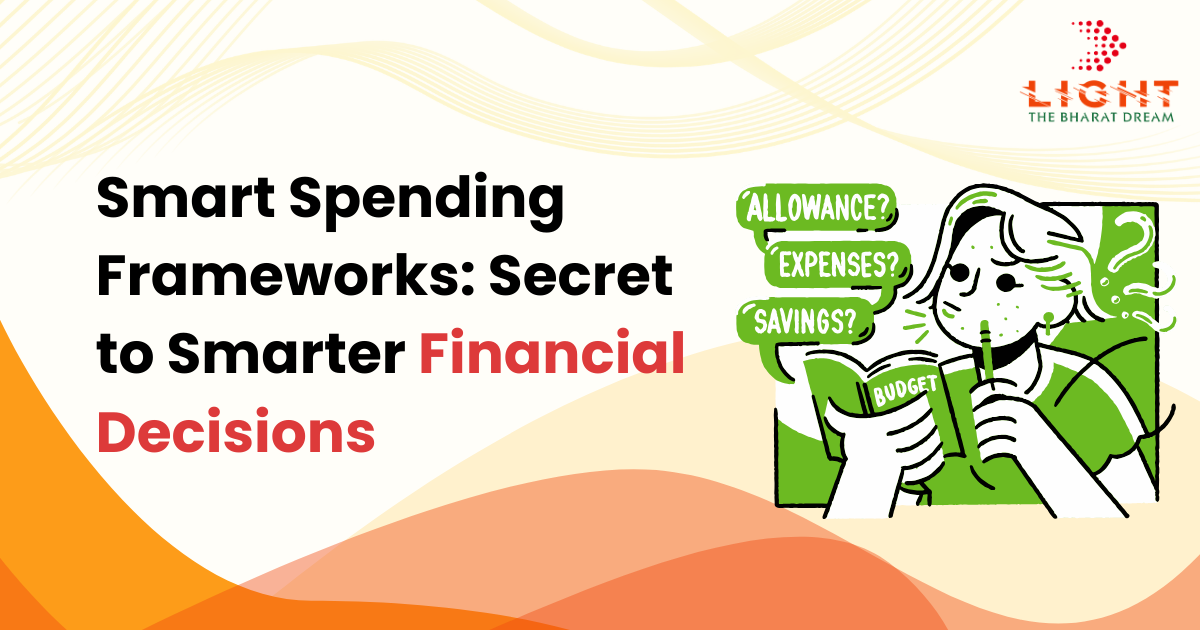
Smart Spending Frameworks: Secret to Smarter Financial Decisions

Many people believe that financial problems happen because they do not earn enough money. In reality, the bigger issue is often how money is managed and spent. Without a proper spending system, even people with a good income may struggle to save money or control their expenses. Let’s look at some of the most common reasons people find it difficult to manage their spending.
Simple Steps to Start Smart Spending Today
You do not need advanced financial knowledge or complicated tools to start spending smarter. In fact, the most effective financial habits often begin with simple and consistent actions. By following a few practical steps, you can understand your spending patterns, reduce wasteful expenses, and take control of your finances. Below are five easy steps that can help you build better spending habits and create a more balanced financial life.
1. Track Your Current Expenses
The first step to smart spending is understanding exactly where your money is going. Many people assume they know their spending habits, but when they actually review their monthly expenses, they often discover surprising patterns. Small daily purchases such as coffee, snacks, subscriptions, online shopping, or ride services can add up quickly over time. Start by tracking all your expenses for at least one month. You can do this by:
- Checking your bank statements
- Reviewing credit card transactions
- Using a budgeting app
- Recording expenses in a simple spreadsheet or notebook
Once you list all your expenses, divide them into categories like housing, food, transportation, entertainment, and shopping. This process will give you a clear picture of your financial behavior and help you identify areas where improvements can be made. Tracking expenses may feel tedious at first, but it is one of the most powerful habits for improving financial awareness.
2. Identify Unnecessary Spending
After tracking your expenses, the next step is to identify which purchases are truly necessary and which are not. Not every expense is bad. Spending on things that bring value to your life, such as education, experiences, or hobbies, can be worthwhile. However, many people unknowingly spend money on things they rarely use or enjoy. Common examples of unnecessary spending include:
- Subscriptions you no longer use
- Impulse online purchases
- Frequent food deliveries or dining out
- Buying items simply because they are on sale
By reviewing your expense list carefully, you can start identifying spending patterns that do not contribute much value to your life. The goal is not to eliminate all enjoyable spending but to remove expenses that do not truly benefit you. Even small adjustments can free up extra money for savings or more meaningful purchases.
3. Choose a Spending Framework
Once you understand your spending habits, it becomes easier to choose a spending framework that fits your lifestyle. A spending framework acts as a guide for how your money should be allocated each month. Different frameworks work for different people, depending on their financial goals and habits. For example:
- If you prefer a simple budgeting system, the 50/30/20 rule may work well.
- If you want strict financial control, zero-based budgeting might be a better option.
- If your goal is to increase savings quickly, the pay-yourself-first method can be effective.
The most important factor is choosing a system that you can follow consistently. A spending framework should feel practical and realistic rather than overly restrictive. Once you adopt a framework, it becomes easier to make spending decisions and maintain financial discipline.
4. Set Monthly Spending Limits
After choosing a spending framework, the next step is to set clear spending limits for each category. These limits help ensure that your expenses remain balanced and aligned with your financial goals. Common spending categories include:
- Housing and utilities
- Groceries and food
- Transportation
- Entertainment and lifestyle
- Savings and investments
When setting these limits, it is important to be realistic. If your budget is too strict, it may be difficult to maintain in the long run. For example, if you enjoy dining out occasionally, completely removing that category from your budget may lead to frustration and overspending later. Instead, assign a reasonable limit that allows you to enjoy life while still maintaining financial discipline. Spending limits provide structure and accountability, helping you stay on track throughout the month.
5. Review Your Budget Regularly
A budget should never be a one-time activity. Your financial situation, income, and priorities can change over time, so it is important to review your spending plan regularly. At the end of each month, take some time to evaluate your finances and ask yourself questions such as:
- Did I stay within my spending limits?
- Were there any unexpected expenses?
- Are there areas where I overspent?
- Can I increase my savings next month?
This monthly review helps you identify patterns, correct mistakes, and improve your spending plan. Over time, this habit allows you to build a more efficient and personalized budgeting system that works best for your lifestyle. Consistent reviews also help you stay motivated and committed to your financial goals.
Benefits of Using Smart Spending Frameworks
Adopting a structured spending framework can bring significant improvements to your financial life. Instead of feeling confused about money management, you gain clarity, control, and confidence in your financial decisions. Here are some key benefits of using a smart spending framework.
1. Better Financial Control
A spending framework helps you gain a clear picture of how your income is distributed across different categories. Instead of guessing how much money you can spend, you already know how much is allocated for necessities, lifestyle choices, and savings. This clarity makes it easier to avoid overspending and stay within your financial limits. Over time, this improved control helps you feel more confident when making financial decisions.
2. Reduced Unnecessary Spending
When you follow a structured spending plan, you become more aware of your purchasing habits. You start asking questions before making a purchase, such as:
- Do I really need this item?
- Does this purchase fit within my spending plan?
- Could this money be used for something more important?
This level of awareness naturally reduces unnecessary spending and encourages more thoughtful financial behavior.
3. Improved Savings Habits
Many people struggle to save money because they treat savings as an afterthought. They spend first and try to save whatever is left at the end of the month. Smart spending frameworks change this pattern by prioritizing savings within the financial plan. By allocating money to savings first, individuals are more likely to build an emergency fund, invest for the future, or achieve long-term financial goals.
4. Less Financial Stress
Financial uncertainty is one of the most common sources of stress for many individuals and families. When spending is unplanned, people often worry about whether they will have enough money to cover their expenses or handle unexpected situations. A clear spending framework removes much of this uncertainty. Knowing that your finances are organized and under control can significantly reduce financial anxiety.
5. Helps Achieve Financial Goals
Every person has different financial goals. Some want to buy a home, others want to travel, invest, or build retirement savings. A smart spending framework helps turn these goals into achievable plans by allocating money consistently toward them. Instead of hoping to reach financial milestones someday, individuals can take small, structured steps toward their goals every month.
Conclusion
Smart spending frameworks provide a practical way to manage your money with more clarity and purpose. Instead of spending without a plan, these frameworks help you understand where your money goes, control unnecessary expenses, and prioritize savings. By tracking your expenses, identifying wasteful spending, choosing the right framework, and reviewing your budget regularly, you can build healthier financial habits over time. Remember, smart spending is not about restricting your lifestyle; it is about making better financial decisions that support your goals and long-term stability.