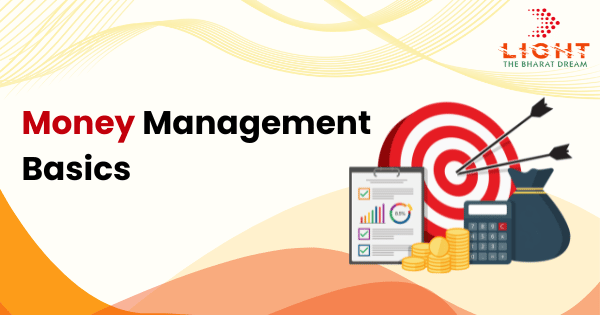
Money Management Basics Every Beginner Should Know
When you’re new to earning or managing money, it’s easy to make mistakes. Many beginners spend without planning, rely too heavily on credit cards, or postpone saving because they believe they can start later. Developing good financial habits from the beginning can prevent these common problems. It also helps you build confidence in handling your finances as your income and responsibilities grow. Here’s why money management is especially important for beginners:
Know Your Income and Expenses
Before creating a budget or setting financial goals, you need a clear understanding of your current financial situation. The first step is knowing exactly how much money comes in and where it goes every month. Many people are surprised when they realize how much they spend on small, everyday purchases. Tracking your income and expenses gives you a complete picture of your financial habits and helps you identify areas where you can save more.
Calculate Your Monthly Income
Start by determining your total monthly income. Include every regular source of money you receive. Your income may come from:
- Salary or wages.
- Freelance work.
- Business income.
- Part-time jobs.
- Rental income.
- Bonuses or commissions.
- Side hustles.
If your income varies each month, calculate an average based on the last three to six months.
Identify Your Fixed Expenses
Fixed expenses are payments that usually remain the same every month. Since these costs are predictable, they’re easier to include in your monthly budget. Common fixed expenses include:
- Rent or home loan payments.
- Insurance premiums.
- Internet bills.
- Loan repayments.
- School or college fees.
- Subscription services.
Knowing your fixed expenses helps you understand how much of your income is already committed before planning other spending.
Identify Your Variable Expenses
Unlike fixed expenses, variable expenses change from month to month. These costs depend on your lifestyle and daily choices. Examples include:
- Groceries.
- Electricity and water bills.
- Fuel and transportation.
- Dining out.
- Shopping.
- Entertainment.
- Travel expenses.
Variable expenses often offer the biggest opportunities to reduce unnecessary spending and increase your savings.
Track Where Your Money Goes
One of the most effective money management habits is tracking every expense. Even small purchases, like a daily coffee or online subscription, can add up over time. Spend one month recording everything you buy. This simple exercise helps you understand your spending habits and identify areas where you can make better financial decisions. You can track your expenses using:
- A notebook or journal.
- A spreadsheet.
- A budgeting app.
- Your bank’s mobile app.
Quick Tip
Track every expense for the next 30 days without skipping anything. At the end of the month, review your spending and identify purchases you could reduce or eliminate.
Understand the Difference Between Needs and Wants
One of the easiest ways to improve your finances is learning to distinguish between things you need and things you simply want. Needs are essential expenses that support your daily life and well-being, while wants are optional purchases that make life more enjoyable but aren’t necessary.
1. Needs
Needs are expenses you must pay to maintain your basic standard of living. Examples include:
- Housing.
- Food.
- Healthcare.
- Utilities.
- Transportation.
- Basic clothing.
2. Wants
Wants are non-essential purchases that can usually be postponed if necessary. Examples include:
- Restaurant meals.
- Streaming subscriptions.
- Designer clothing.
- New gadgets.
- Vacations.
- Entertainment.
Before buying something, ask yourself: “Is this something I truly need, or is it simply something I want?” This simple habit can help you avoid impulse purchases and keep your spending under control.
Easy Budgeting Methods for Beginners
There isn’t a single budgeting method that’s perfect for everyone. The best approach is the one you can follow consistently.
1. 50/30/20 Rule
This popular budgeting method divides your income into three categories:
| Category | Percentage |
| Needs | 50% |
| Wants | 30% |
| Savings and Investments | 20% |
For example, if you earn 3,000 per month:
- 1,500 goes toward essential expenses.
- 900 is available for personal wants.
- 600 is saved or invested for future goals.
This approach creates a healthy balance between spending and saving.
2. Zero-Based Budget
With a zero-based budget, every dollar of your income is assigned a specific purpose. By the end of the month, every dollar has been allocated to expenses, savings, investments, or debt repayment. This method works well for people who like detailed financial planning and want complete control over their money.
3. Pay Yourself First
Instead of waiting until the end of the month to save what’s left, save first. When you receive your income:
- Transfer a fixed amount to your savings account.
- Pay your essential bills.
- Spend the remaining money according to your budget.
This strategy helps make saving a consistent habit rather than an afterthought.
Conclusion
Learning the money management basics is one of the best investments you can make in your future. By understanding your income and expenses, creating a realistic budget, building an emergency fund, avoiding unnecessary debt, and setting clear financial goals, you can take control of your finances with confidence. Remember, managing money isn’t about earning more it’s about making smarter financial decisions with the money you already have. Start with one small step today, whether it’s tracking your spending, saving a portion of your income, or creating your first budget.