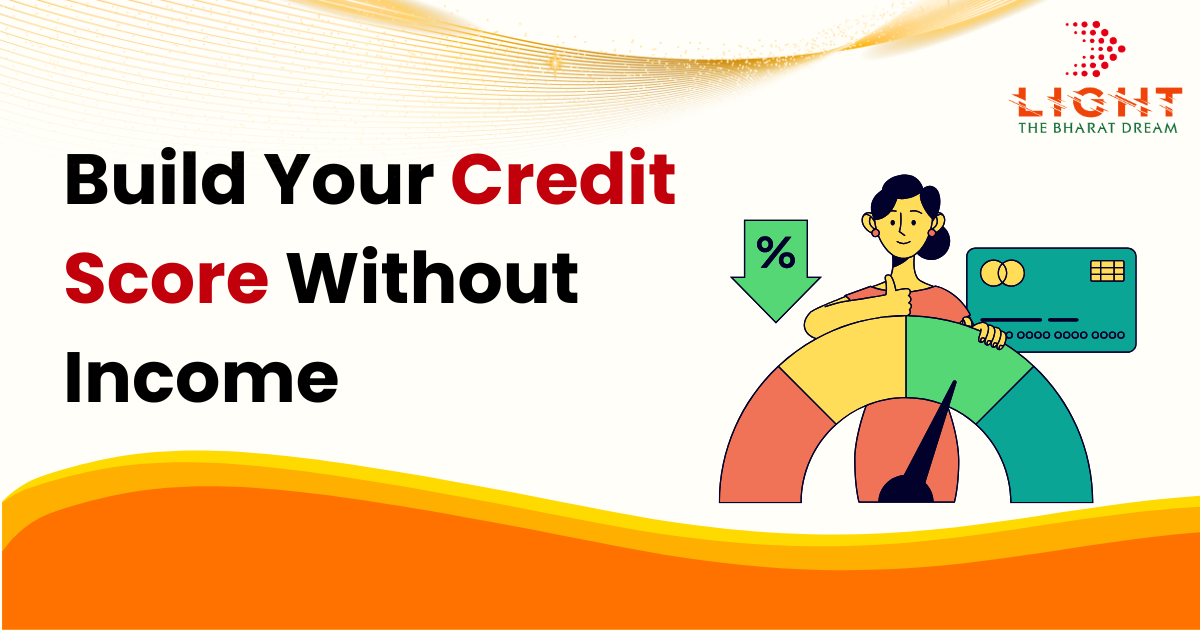
Build Your Credit Score Without Income
“No income means no credit score.” This is something a lot of people believe, especially students and those who are not earning regularly. It can feel frustrating when you want to start your financial journey but think you don’t meet the basic requirements.
The truth is, building a credit score is less about how much money you earn and more about how responsibly you handle credit. Even if you don’t have a fixed income right now, you can still begin building a strong credit profile with small and smart steps. This guide is designed to make things simple for you. Instead of complicated financial terms, you’ll find practical advice that you can actually follow in your daily life.
Can You Really Build a Credit Score Without Income?
Yes, and understanding this clearly can change how you approach your finances. A credit score is created based on your behavior as a borrower. Lenders want to see whether you are reliable when it comes to using and repaying credit. They are not directly measuring your salary while calculating your score. What they care about is whether you pay on time, whether you overuse your credit, and how long you’ve been handling credit.
Why You Should Start Building Credit Early
Starting early gives you a strong foundation that can help you for years to come. Many people delay building their credit score because they think they will do it later when they start earning. However, waiting can actually put you at a disadvantage.
When you begin early, you give your credit history more time to grow. A longer credit history is always seen as more reliable because it shows a pattern of responsible behavior over time. This becomes especially useful when you apply for bigger financial products in the future, such as loans or premium credit cards.
Smart Ways to Build Your Credit Score Without Income
1. Get a Secured Credit Card
A secured credit card is often the easiest and safest entry point into the world of credit. Since it is backed by a deposit, the risk for the bank is minimal, which is why approval does not depend heavily on income.
When you use a secured card, it works just like a regular credit card. The only difference is that your spending limit is based on the deposit you make. This gives you a controlled environment where you can learn how to manage credit without the risk of overspending. Over time, as you continue using the card responsibly and paying your bills on time, it builds a positive record in your credit history. This record becomes the base for improving your score.
2. Become an Authorized User
If you have a family member who uses a credit card responsibly, becoming an authorized user on their account can give you a head start. In this arrangement, you are added to their card, and their credit history starts reflecting on your profile as well.
This method works well because it allows you to benefit from an already established credit record. However, it is important to choose someone who has a strong repayment habit. If their credit behavior is poor, it can negatively affect you, too. This approach is especially helpful for beginners who want to start building a credit score without taking full responsibility for a credit account right away.
3. Start with a Small Credit Line
When you begin with credit, it is always better to start small. A smaller credit line keeps your spending under control and reduces the chances of making mistakes. Using a small amount of credit and repaying it on time creates a pattern of reliability. It shows lenders that you are capable of managing credit responsibly, even if your limit is low. Over time, this consistency becomes more valuable than having a high credit limit. The idea here is not to use credit for unnecessary expenses but to build trust through disciplined usage.
4. Always Pay Bills on Time
Timely payment is the single most important factor in building a good credit score. Even if everything else is perfect, missing payments can damage your score significantly. Each on-time payment adds a positive mark to your credit history, while each missed payment does the opposite. This is why developing a habit of paying your dues before the deadline is essential.
If you are someone who tends to forget dates, setting reminders or enabling automatic payments can make a big difference. Over time, this habit becomes second nature and strengthens your overall credit profile.
5. Keep Your Credit Utilization Low
Credit utilization simply means how much of your available credit you are using at any given time. Even if you have access to credit, using too much of it can signal financial stress. Keeping your usage low shows that you are not dependent on credit and can manage your expenses within limits. This creates a positive impression and helps improve your score gradually. Think of it as maintaining balance. You are using credit, but not relying on it heavily, which is exactly what lenders like to see.
6. Use Buy Now, Pay Later (BNPL) Carefully
Buy Now, Pay Later services can be useful, especially when you don’t have access to traditional credit. However, they should be used with caution. While these services make spending easier, they can also lead to overuse if not managed properly. It is important to treat BNPL just like any other form of credit. Paying on time and avoiding multiple active loans is key. When used responsibly, BNPL can contribute positively to your credit journey. But if used carelessly, it can quickly create financial stress and harm your score.
7. Monitor Your Credit Score Regularly
Keeping track of your credit score helps you understand where you stand and what needs improvement. It also allows you to catch errors or unexpected changes early. Your credit report may sometimes contain incorrect information, and identifying such issues quickly can save you from unnecessary problems. Regular monitoring also motivates you to stay consistent with your efforts. When you can see your progress over time, it becomes easier to stay committed to good financial habits.
Conclusion
Building a credit score without income might seem challenging at first, but it is completely achievable with the right mindset and approach. It is not about making big financial moves. It is about taking small, consistent steps and staying disciplined. Over time, these small actions build a strong and reliable credit profile. If you start today and stay consistent, you will create opportunities for yourself in the future that would otherwise be difficult to access.