What to Do After Your First Credit Card Approval
You’ve achieved an important milestone in your financial life when your credit card application is approved for the first time. It indicates that a lender has extended you credit and you have a chance to establish a good credit history. But once you get your credit card, it’s not the end. The use you make of it in the first few months can be a big difference to your finances.
Numerous first-time credit card holders make errors due to a lack of credit card education. Failure to pay bills on time, excessive spending, and unnecessary debts can hurt your credit score and incur high fees. Responsible use of credit cards, however, can help you establish excellent credit, earn financial products, and receive fantastic rewards.
Why Your First Credit Card Matters
A credit card is more than just a means of payment. It’s one of the simplest ways to develop and establish your credit history. Your credit history is used by lenders to understand the way you manage the money that you borrow.
Having a good credit history could mean that you’ll be able to get credit cards, personal loans, car loans, mortgages, and even get a better interest rate in the future. Your first credit card will be the beginning of your credit history, so make sure you use it wisely.
Steps to follow after the First Credit Card Approval
Step 1: Activate Your Credit Card Immediately
After receiving your credit card, you need to activate it. Most issuers require the activation to be done online via their website and mobile app or by calling their customer service phone number. The activation process for a card will allow you to use it safely. It also establishes that the card has arrived at the target user and reduces the risk of unauthorized access. Before purchasing, check:
- Your name is printed correctly.
- The card number matches the information provided by the issuer.
- The expiration date is correct.
- All account details are accurate.
After activation, sign the back of your card if required and store it in a safe place.
Step 2: Understand Your Credit Card Terms and Features
New cardholders often jump into spending with no consideration of the terms and conditions of their card. A little bit of time spent familiarizing yourself with how your card works can save you from paying unnecessary fees and any financial surprises.
1. Know Your Credit Limit
Credit limit is the highest amount that you can borrow with your credit card. For instance, if you have a credit limit of $1,000, you cannot have more than $1,000 of your debt outstanding. You can use as much as you can, but it is normally recommended to pay only a percentage of your credit. Having a lower percentage of your credit limit used can help build good credit and have a positive impact on your credit score.
2. Learn About Interest Rates (APR)
The Annual Percentage Rate (APR) will show you the percentage of interest you will incur when you roll your balance from month to month. Most credit card companies offer the option to pay the full credit card bill balance in full by the due date, which will avoid any interest charges. But if you have a balance, you are likely to be charged interest on the balance. With the knowledge of your APR, you can feel at ease and avoid taking needless loans because you are making the right choice.
3. Review fees
Every credit card comes with specific fees and terms. Common fees include:
- Annual fees
- Late payment fees
- Foreign transaction fees
- Cash advance fees
- Balance transfer fees
Review your card agreement carefully so you know which fees may apply and how to avoid them whenever possible.
Step 3: Set Up Online Banking and Mobile Alerts
One of the easiest ways to stay in control of your credit card account is by setting up online banking and mobile notifications. Most credit card issuers provide mobile apps that allow you to:
- Check your balance anytime.
- View recent transactions.
- Monitor available credit.
- Make payments.
- Track rewards and benefits.
Setting up alerts can be especially helpful for first-time cardholders. Consider enabling notifications for:
- Payment due dates
- Large purchases
- Low available credit
- Suspicious activity
- Statement availability
These alerts can help prevent missed payments, detect fraud quickly, and keep your spending on track. By regularly monitoring your account, you’ll develop healthy financial habits and gain a better understanding of how your credit card activity affects your overall finances.
Step 4: Make a Small Purchase First
After making the purchase, use your credit card, but make a small purchase first, instead of a big one. You can familiarize yourself with your credit card by making a simple purchase, like groceries, a streaming subscription, paying for gas, or paying your utilities. Small sizes give you a chance to monitor the transaction and know what kind of billing cycle you are in, and to practice making payments before you get into bigger ones.
The same applies to your card and regular, fairly-priced purchases, as using it gives you a positive payment history without putting undue pressure on your finances. Keep in mind your first credit card isn’t meant to be a way to spend more money but rather to start making financially responsible choices.
Step 5: Create a Payment Plan
The most important habit to get into as a credit card user is paying bills on time. Your payment history is a key component of your credit score and financial health. Planning out a payment strategy from the start will help you to avoid paying unnecessary interest charges and missed payments.
1. Pay Your Balance in Full
Whenever possible, pay your entire statement balance before the due date. Paying in full offers several benefits:
- Avoids interest charges.
- Helps maintain a healthy credit score.
- Prevents debt from accumulating.
- Encourages responsible spending habits.
Many people mistakenly believe carrying a balance improves their credit score. In reality, paying your balance in full every month is one of the best ways to build strong credit.
2. Set Up Auto-Pay
Life is hectic, and it is easy to forget payment deadlines. The automatic payments help to make at least the minimum payment on time each month. This makes it less likely that you’ll get a late fee, and helps maintain a good payment record. While utilizing auto-pay is advantageous, it’s preferable to frequently check your monthly statements to ensure that your accounts are not being spent unnecessarily or utilized unexpectedly.
Step 6: Keep Your Credit Utilization Low
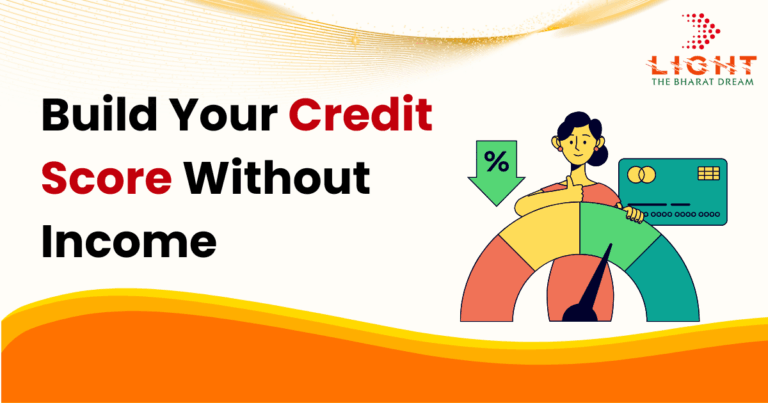
The term credit utilization is used to describe the amount of available credit that is being used. For instance, if you have a credit limit of $1,000 and a credit balance of $300, then your credit utilization rate is 30%. Most authorities suggest limiting your utilization rate to less than 30% and preferably under 10%. A lower utilization ratio means that you’re not so reliant on credit and can take on loans responsibly. Here are some practical tips for keeping utilization low:
- Paying off purchases throughout the month.
- Keep spending well below your credit limit.
- Avoiding large purchases unless you can pay them off quickly.
Managing your utilization effectively can have a positive impact on your credit score over time.
Step 7: Monitor Your Credit Score Regularly
One of the first credit cards you’ll be using to start establishing your credit will be yours. With your credit score, you can see the impact of your financial practices on your creditworthiness. By regularly monitoring, you can:
- Track your progress.
- Identify errors in your credit report.
- Detect potential fraud.
- Understand factors influencing your score.
Don’t be discouraged if your score doesn’t increase immediately. Building strong credit takes time and consistency. The key is maintaining good habits month after month.
Step 8: Use Rewards and Benefits Wisely
Many credit cards offer rewards programs designed to provide additional value for everyday spending. Depending on your card, benefits may include:
- Cashback rewards.
- Travel points.
- Shopping discounts.
- Purchase protection.
- Extended warranties.
- Fraud protection.
While rewards can be valuable, they should never be the reason you spend more than you normally would. For example, spending $500 to earn $10 in rewards doesn’t make financial sense if you cannot pay off the balance in full. Focus on using rewards as a bonus for purchases you were already planning to make.
Conclusion
The first time you receive a credit card, it’s a crucial step toward developing a healthy financial future. A credit card is all about how you use it, however. You can create a strong credit history and enjoy the benefits for years by using your card, knowing the terms, paying on time, keeping your credit utilization low, and watching your account and credit.